ZNOU / J-Space
A deterministic function from strings to neurons, and a game built on it. One frozen model. One layer. 3,072 possible destinations. An atlas assembled around the places language happens to land.
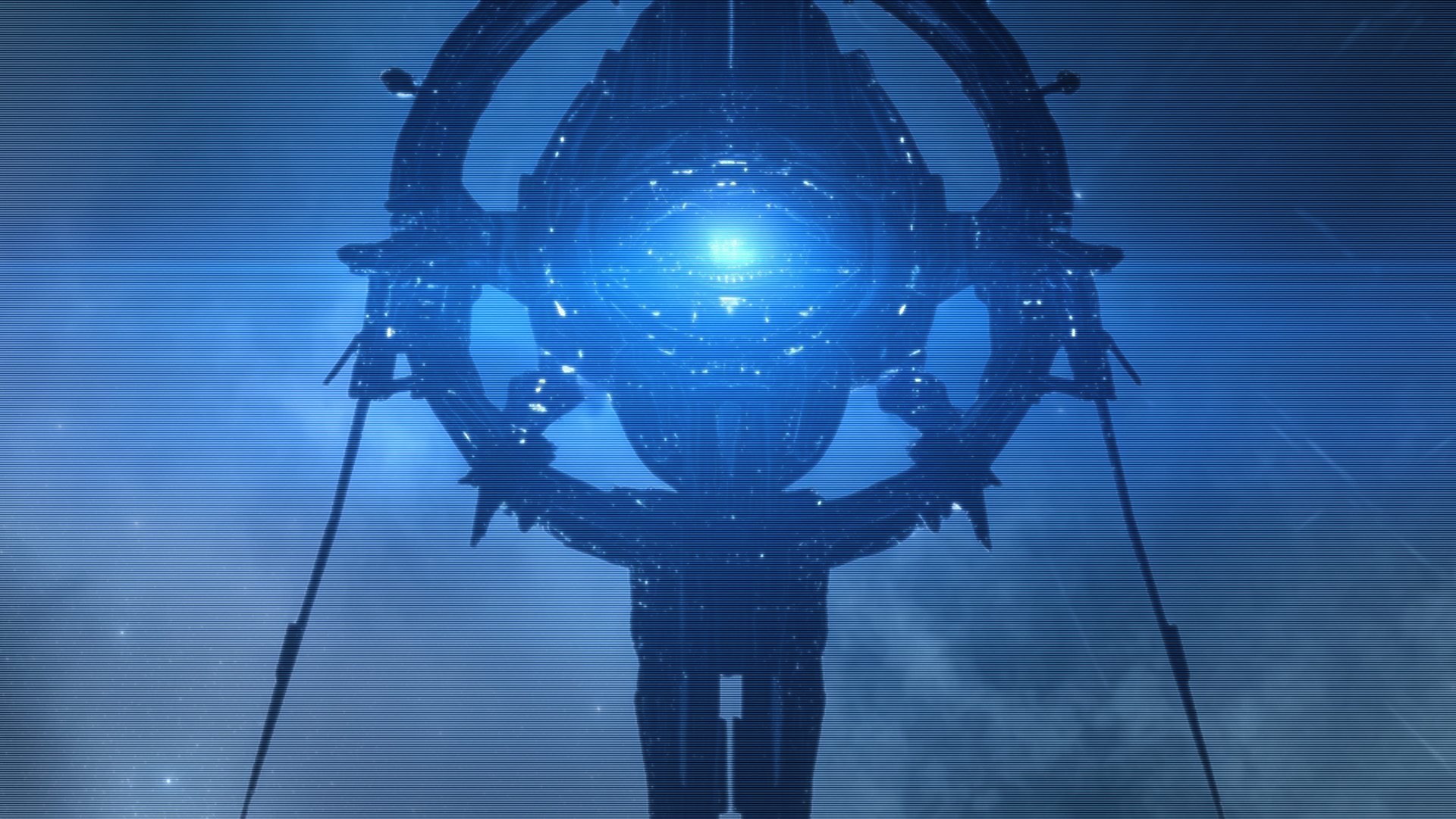
A sentence goes somewhere.
ZNOU starts with a function small enough to hold in your head. Give frozen GPT‑2 Small a string, read its layer-five MLP activations, and return the index of the neuron that fired highest. That integer is the output. No sampling. No randomness. No logits ever formed.
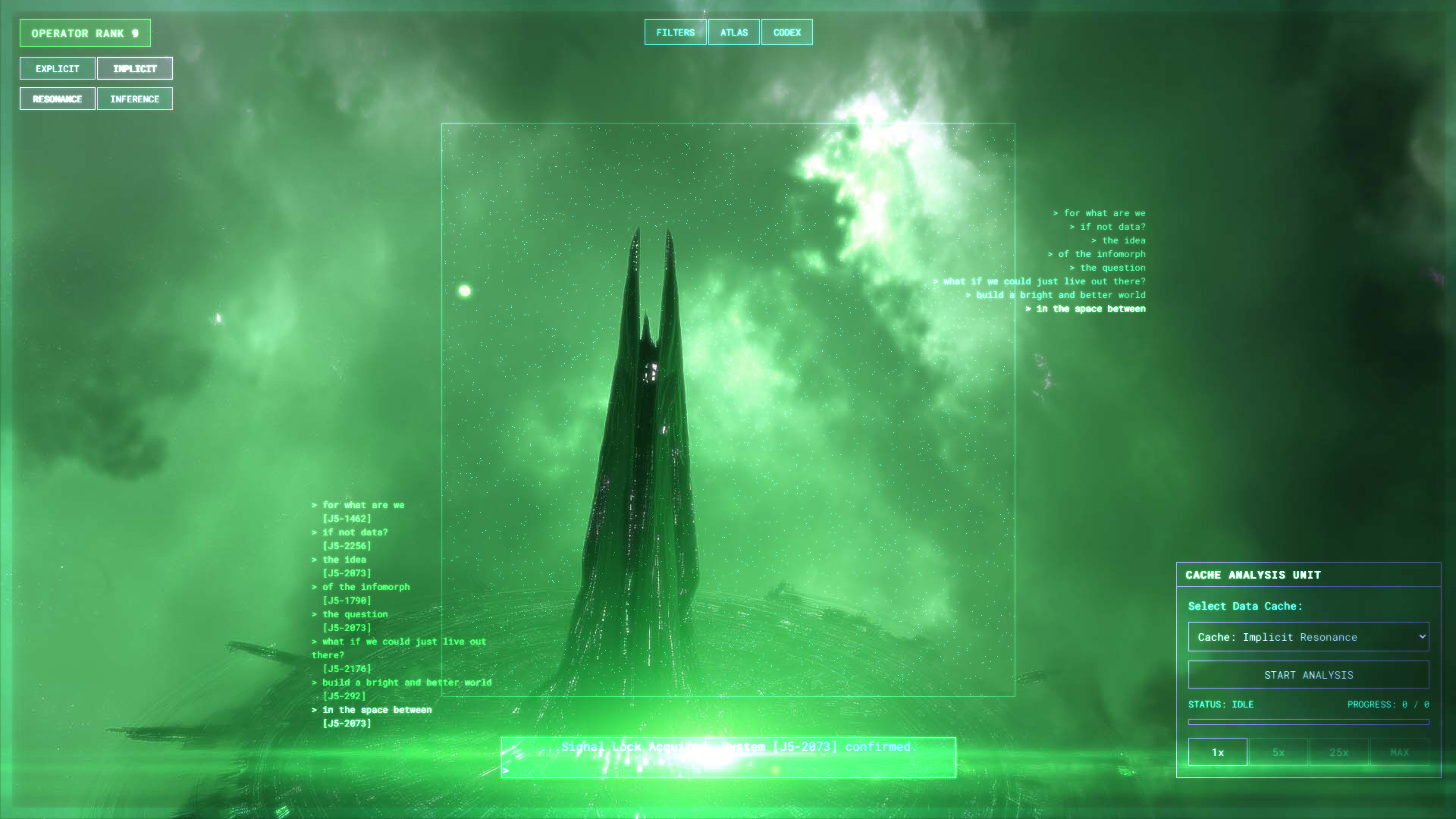
The index becomes a world.
The repository builds outward from the destination function. Corpora become caches. Destinations become points in an atlas. Text fragments become routes into a field that can be filtered by explicitness, inference, and resonance.
What if we could live out there?
The analytical system and its fiction grow together. A player can arrive at destinations, compare rarity, leave discoveries, and begin treating the model’s accidental partition of language as terrain.
The imagery carries that collision: instrument panels remain visible while the map blooms past legibility into atmosphere, glare, and event.
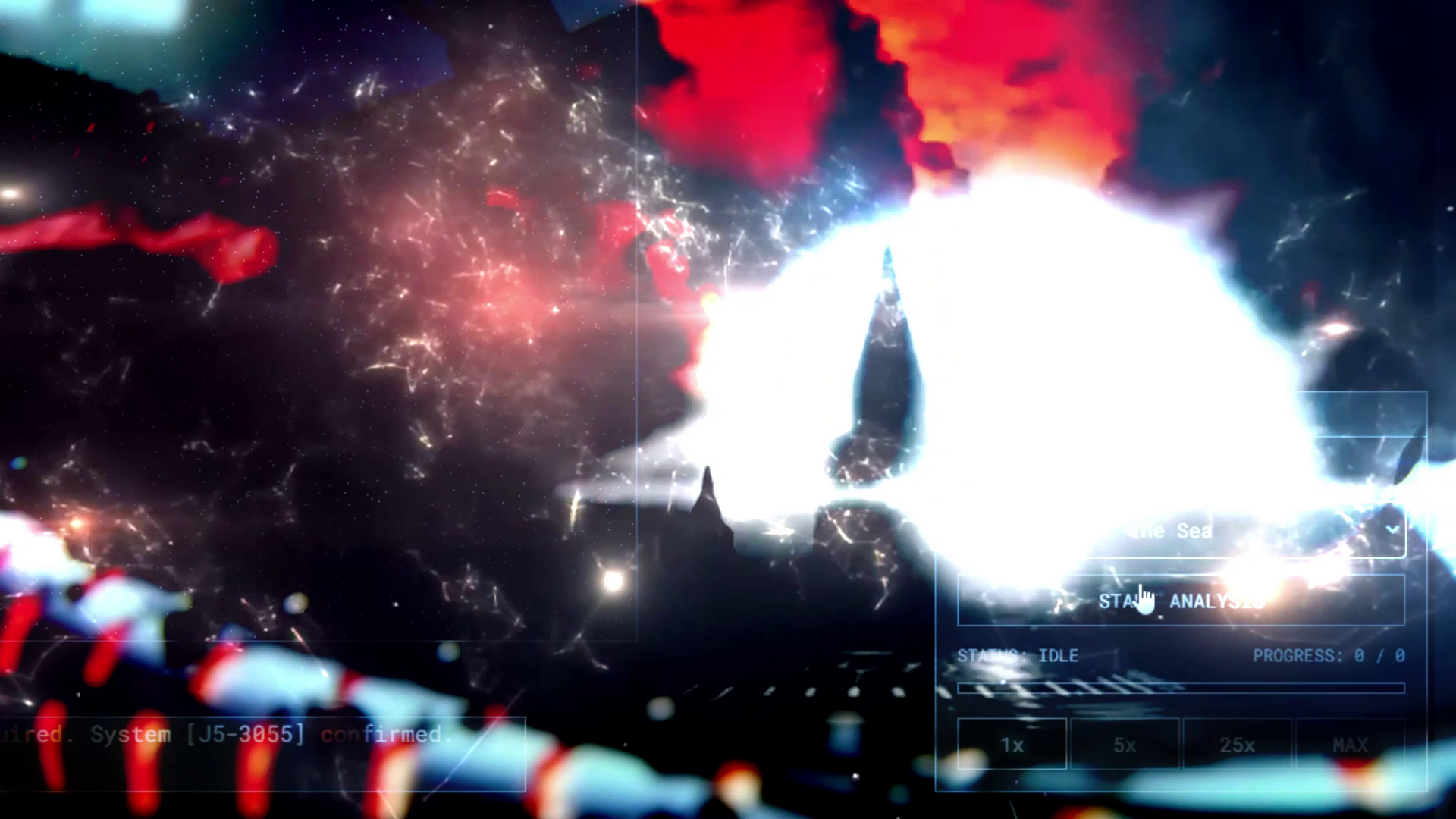
A proposal with measurements attached.
The mapping is deterministic, reproducible under the specified stack, and supported by a substantial manifest of measured claims. The deepest question is still open: whether winning the layer-five argmax corresponds to anything the network itself computes with.
Until that is answered, “destination,” “locus,” and “space” mean exactly what the specification says they mean: the neuron that won.